
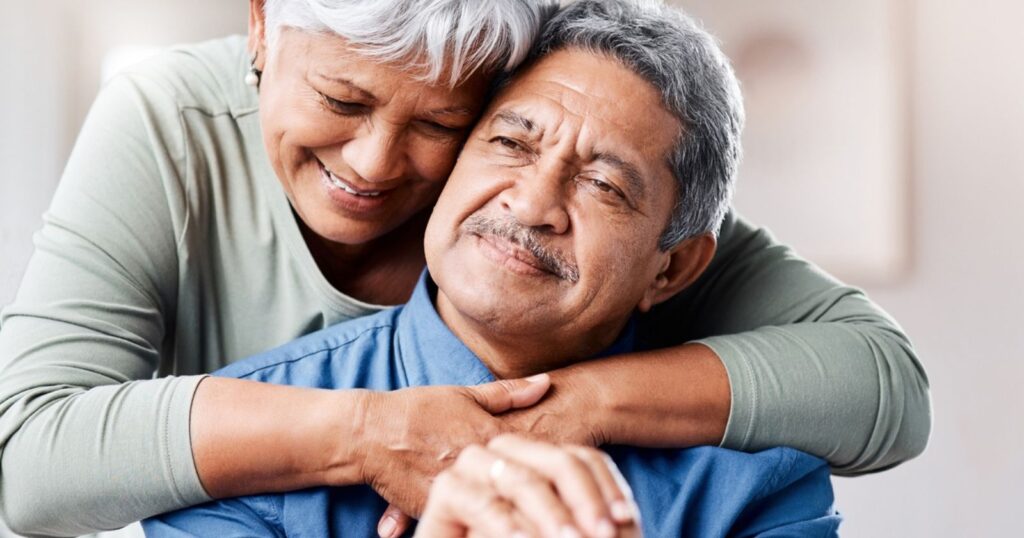
Marriage is a complex journey, a union of highs and lows, joy and unforeseen challenges. Sometimes, these challenges manifest as traumatic events that can profoundly shake the very foundations of a relationship. Whether it be the aftermath of infidelity, the strain of financial hardship, or the lingering impact of a profound loss, navigating through these tumultuous waters can be an overwhelming experience. Yet, within the heart of adversity lies an opportunity – an opportunity to not just rebuild, but to cultivate a resilience that can fortify the bond between partners. In this exploration, we delve into the intricacies of **Building Resilience After a Traumatic Event In Marriage** and unveil a comprehensive guide on how to rebuild a marriage after trauma.
Understanding Resilience

Resilience is more than a mere coping mechanism; it is an adaptive response to adversity. It involves not just bouncing back from difficulties but also adapting to the stressors and growing through the experience. Some individuals naturally possess resilience, allowing them to weather the storms of life with seemingly unshakeable strength. For others, resilience is a skill that can be developed and honed through deliberate efforts.
Research suggests that building resilience includes several key components:
- Increasing Connections: Individuals with significant connections in their lives tend to have higher levels of resilience. Rebuilding relationships with friends and family, seeking therapy, and joining supportive communities can contribute to the strengthening of these vital connections.
- Wellbeing Focus: Prioritizing mental health and overall wellbeing is critical in the journey towards resilience. Identifying stressors and incorporating effective relaxation, mindfulness, and self-care strategies becomes essential.
- Healthy Thinking: Dwelling on past mistakes and negative experiences can be harmful. Shifting focus towards positive change, personal growth, and future optimism fosters a healthy thinking pattern.
- Setting Goals: Establishing purpose and passion in life contributes to resilience. Having a clear sense of identity and purpose allows individuals to seek success even in the face of challenging times.
Post-Traumatic Growth: A Path Beyond Resilience
While resilience helps individuals bounce back, there exists an even more profound concept known as post-traumatic growth (PTG). Distinct from resilience, PTG involves a transformative journey, a reinvention of one’s worldview following a traumatic experience. Recognized by therapists, PTG allows individuals to evaluate themselves, instigating significant positive changes, especially in their belief systems surrounding relationships and self-worth.
Research identifies various aspects of post-traumatic growth, including:
- Positive Relationships: Beyond intimate partnerships, PTG involves reconnecting and building relationships within a supportive network.
- Appreciation: Learning to appreciate oneself and the positive contributions one brings to the world and relationships becomes a crucial aspect of growth.
- Realizing Potential: Many experience growth in realizing their potential and exploring possibilities in various aspects of life.
- Stronger Sense of Self: Achieving clarity on one’s identity and values contributes significantly to personal growth.
A Systemic Approach to Healing
Taking inspiration from systemic approaches, families and couples are encouraged to recover and re-align themselves positively. Trauma, whether at an individual, family, group, or societal level, can lead to deeply distressing and devastating experiences. Family systemic therapy, an evidence-based approach, aims to help individuals challenge oppression, connect with their strengths, and build better connections with others.
It recognizes the impacts of trauma and is concerned with people’s creativity, resourcefulness, resilience, resistance, and hope while acknowledging their pain and fatigue in response to trauma.
Seven Secrets to Building Resilience in Your Marriage

Resilience is not only an individual trait but a quality that can permeate a marriage. The roadmap for couples navigating the complexities of building resilience together is as follows:
- Avoiding Misconceptions: Dispel the misconception that a good marriage equates to constant calmness. Embrace the reality that conflict is an inherent part of growth.
- Seeking Help When Needed: Couples who navigate challenges together tend to seek help when needed. Engaging with trusted sources for guidance and support is crucial.
- Focusing on the Positive: Resilient couples consciously focus on the positive aspects of their relationship instead of dwelling on the negatives.
- Accepting Differences: Acknowledge and accept the differences in personalities, views, and ways of handling situations.
- Maintaining Internal Locus of Control: Develop and maintain an internal locus of control, emphasizing personal responsibility and agency in shaping the relationship.
- Managing Emotions: Effectively managing emotions, especially during challenging times, is pivotal in building resilience.
- Reinterpreting Past Failures: Rather than viewing past mistakes negatively, resilient couples reinterpret them as opportunities for positive growth and change.
Healing From Trauma Together: A Supportive Approach
Transitioning from individual resilience to collective resilience within a marriage involves a collaborative effort. Healing from trauma together requires a nuanced understanding and intentional support. Key components of this collaborative journey include:
- Showing Empathy: Partners should strive to understand each other’s trauma, showing empathy without attempting to invalidate the experience.
- Recognizing Triggers: Learning and recognizing each other’s triggers is essential in creating a safe environment.
- Allowing Room for “Bad Days”: Understanding that some days will be more challenging than others is crucial. Allowing space on difficult days while maintaining personal boundaries is essential.
- Engaging in Fun Activities: Actively participating in enjoyable activities can provide a positive distraction and strengthen the bond between partners.
- Soothing Distress: Learning self-soothing techniques and encouraging partners to engage in mindfulness practices can aid in distress management.
- Taking Note of Boundaries: Establishing and respecting personal boundaries ensures a healthy balance between support and self-care.
- Encouraging Professional Help: Recognizing the limitations of personal support, couples should be encouraged to seek professional help when needed.
FAQs
How do you fix trauma in a marriage?
Fixing trauma in a marriage involves a multifaceted approach. Communication is key; partners should openly discuss their experiences, seek professional help when necessary, and engage in activities that foster healing. Building resilience together, acknowledging differences, and reinterpreting past failures are crucial steps in the journey to recovery.
How does trauma affect a marriage?
Trauma can deeply impact a marriage, causing emotional distance, communication breakdowns, and a strain on intimacy. It may lead to heightened emotional reactions, triggering events, and an overall destabilization of the relationship. Recognizing the effects of trauma is the first step in addressing and mitigating its impact on a marriage.
How do you build resilience in a marriage?
Building resilience in a marriage involves strengthening individual and collective coping mechanisms. This includes increasing connections within and outside the relationship, prioritizing mental health and well-being, focusing on positive aspects, accepting differences, maintaining an internal locus of control, effectively managing emotions, and reinterpreting past failures as opportunities for growth.
Conclusion
In conclusion, the journey to rebuild a marriage after trauma is intricate, requiring a blend of individual resilience, collective growth, and intentional support. By understanding the nuances of resilience, fostering post-traumatic growth, drawing on systemic approaches, and embracing collaborative healing, couples can pave the way for a future marked by strength, connection, and positivity. In the aftermath of trauma, the growth potential is not only possible but can become the catalyst for a more resilient and vibrant relationship.